- 3Third keepersince Jun 2023Current
- 2Second keeperFeb 2020 – Jun 20233y 4m
- 1First keeperMar 2018 – Feb 20201y 11m
Ownership history
Every keeper change in order, with how long each one kept the car.
Check any UK car, van or motorbike by reg or VIN. MOT history, mileage, tax and ULEZ cost nothing; lenders', insurers' and police records come in the full report.
Works withcarsEVsvansmotorbikes
A full report checks 200+ data points, including:
Six of the records, drawn the way they appear in the report. A full report checks 200+ data points in all; see every check.
Every keeper change in order, with how long each one kept the car.
Every recorded reading on one line. A reading that goes backwards stands out at once.
Category S write-offStructural damage recorded, 14 Sep 2023
The insurance category, the date of loss and whether it passed the identity check.
Finance agreement foundLive
Any hire purchase, PCP or conditional sale still registered, so you know who to call before you pay.
Police stolen markerNot recorded
VIN and engine numberMatch the record
High-risk registerNo marker
The police stolen marker, the high-risk register and the numbers that catch a cloned car.
Colour change: blue to grey, 2022
Every earlier registration with its dates, and any colour change the DVLA recorded.
Made-up figures, to show the layout.
Check any UK-registered car, van or motorbike by its reg or VIN, whatever the make. These are the makes buyers check most.
Logos are shown to identify the makes we check. We are not affiliated with or endorsed by any manufacturer.
A vehicle history check uses a registration number, or a VIN, to show what official and industry records say about a car, van or motorbike. Without paying, you see two records. From the DVLA: what the vehicle is, when it was first registered, and whether it’s taxed and MOT’d. From the DVSA: each MOT it has taken, what the tester found, and the miles on the clock that day. We add a ULEZ estimate. Pay for the full report and you also see money owed to lenders, any insurance write-off, whether police list it as stolen, how many keepers it’s had, its earlier plates and colours, whether it was scrapped, imported or exported, and its VIN and engine number.
It works the same way whatever has wheels and a UK plate. A family hatchback, a ten-year-old panel van or a 125cc commuter bike all have a DVLA record, and once they’re three years old, an MOT history too. Free-check everything on your list; save the full report for the vehicle you settle on. Start with our free vehicle check, or jump to the car check, the van check or the bike check.
If you know this as an HPI check, it’s the same full report. Its four headline records each have a page: the car finance check for money owed, the car write-off check for insurance losses, the stolen car check for the police marker, and the mileage check for the MOT odometer readings. Short answers to common questions are on the vehicle history check FAQs page.
Inside every full report
We check 200+ data points on every full report. These are the 21 checks they come from, each one shown on the report page in plain English.
That’s encouraging for a buyer, because tyres are easy to look at. It’s also why the MOT history is worth reading line by line. A tyre advisory that turns into a dangerous fail the next year tells you how the last keeper looked after things. Our MOT check page shows how to read the fails and advisories, and the motorbike MOT guide covers what testers look at on two wheels.
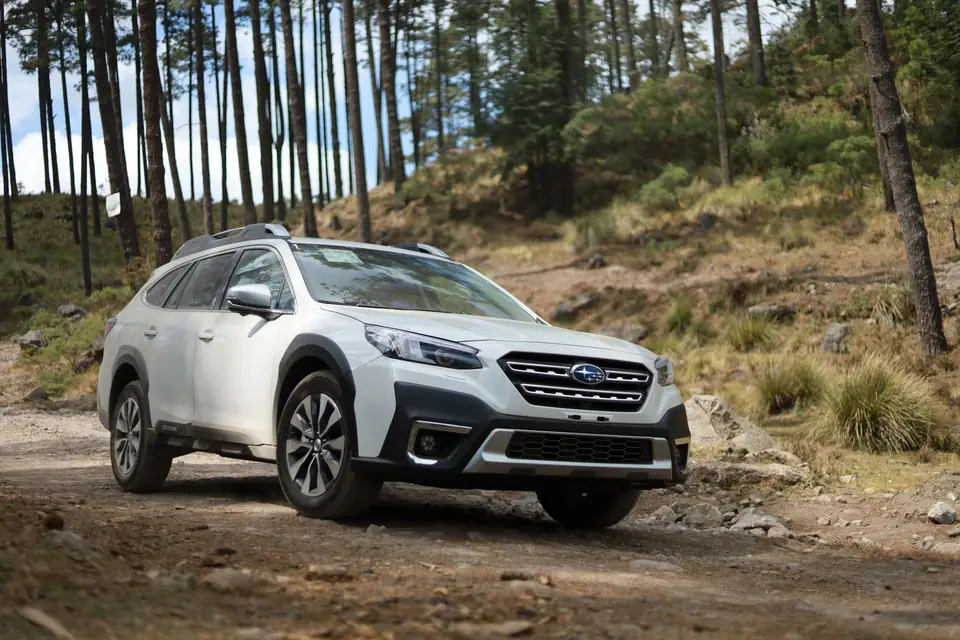
Electric cars can carry finance and write-off records too. Check the vehicle history before you buy, whatever it runs on.
Check a vehicleDVLA details, MOT history, tax, mileage and ULEZ free. Finance, write-off and theft in the full report.
The same records, plus what the weight means for the MOT class, and what to look for on an ex-fleet van.
MOT, tax and mileage by reg, and where to find the frame and engine numbers on a bike.
Each page below explains one record: what it shows, an example result, the source behind it, and your next step if it turns something up.
MOT status, the due date and every past test with mileage, fails and advisories. Free.
Taxed, untaxed or SORN, and when tax is due. Free. The full report adds the recorded rate.
The DVLA record in full: make, colour, engine, CO2, Euro status, dates and status flags.
Our estimate of whether a car, van or bike meets London’s emission standards.
What a number plate tells you about the vehicle behind it, and earlier plates in the full report.
The free check field by field, and what the full report adds.
Van history by reg, including finance on ex-business vans.
Motorbike history, with the stolen check that matters most on two wheels.
All the fields in the free check and the full report.
Some sellers don’t know; a few would rather you didn’t. These records are the ones a vehicle history check exists to bring out.
Hire purchase and PCP agreements stay with the vehicle, not the person. Vans bought on business finance are a common case.
A Cat S or Cat N repair can be invisible from the outside. The record isn’t.
Motorbikes and vans are frequent targets. The motorbike check page explains how to match the frame number.
An MOT reading lower than the last one. The free MOT history lays them side by side.
Gaps in the MOT history, or a SORN. Our SORN check guide explains what that means for you.
Usually a private number. Sometimes not. The reg plate check shows how to tell.
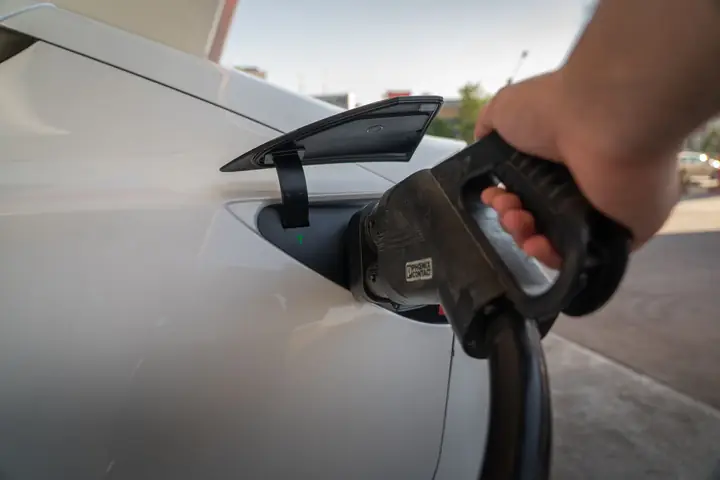
The free check shows the fuel type, the MOT history and the tax status. The full report adds finance, write-off and stolen records.
Checking is free. A full report costs the same for a car, van or motorbike: one payment, VAT included, readable the moment it’s paid for and emailed to you as well.
Full report
£11.99
One car, paid once. VAT included, no subscription, no account.
Start with the registrationThe basic check (MOT history, mileage, tax and vehicle details) stays free.
Vehicle history report price · Sample vehicle history report
Knowing the source of each line helps you decide how much to trust it and who can correct it.
| Record | In which check | Who holds it | Why it matters |
|---|---|---|---|
| Make, model, colour, engine, fuel | Free | DVLA vehicle record | Whether the vehicle matches its plate and the advert |
| First registration, year of manufacture | Free | DVLA vehicle record | How old it really is |
| Tax status, SORN, MOT status | Free | DVLA vehicle record | Whether it can be ridden or driven away today |
| MOT tests, faults, advisories | Free | DVSA MOT records | How it has been maintained and what’s due |
| Mileage at each MOT | Free | DVSA MOT records | Whether the reading has only gone up |
| ULEZ estimate | Free | Our estimate from DVLA fuel, Euro status and age | Whether London’s standard is likely to be met |
| Outstanding finance | Full report | Lenders’ registered agreements, via a licensed data provider | Whether someone else still has a claim on it |
| Write-off category | Full report | Insurers’ write-off records | Whether it was once judged a total loss |
| Stolen marker | Full report | Police stolen-vehicle records | Whether it’s reported stolen now |
| Keepers, plate and colour changes | Full report | Registration history, via a licensed data provider | How often it changed hands or identity |
| Scrapped, imported, exported | Full report | Registration history | Whether the record was closed or it came from abroad |
| VIN, engine number, specification, road tax | Full report | Registration and manufacturer data | Identity to match, build and running cost |
MOT records cover tests in Great Britain from 2005. See every field on what we check.
It’s enough to say no to a vehicle, and often that’s all you need. If the colour is wrong, the MOT has run out, the tax has lapsed or the mileage dropped at the last test, you’ve learned it for nothing and can move on to the next advert.
It isn’t enough to say yes. Lenders, insurers and the police keep those records themselves; neither the DVLA’s public data nor the MOT system holds them, so a free check can look spotless on a vehicle that has all three. That’s the gap the full report fills. Our suggestion is to free-check everything on your list, then buy the full report on the one you’ve chosen, on the day you hand over the money.
A clear report means the records are clear. It isn’t a mechanical inspection, so ride or drive it, look it over carefully, and on anything costly ask a mechanic.
The records are the same: DVLA details, MOT history and, in the full report, finance, write-off, theft and keepers. What you look for changes with the vehicle.
Weight matters. A van up to 3,000kg design gross weight takes a class 4 MOT; one between 3,000kg and 3,500kg takes class 7. Ex-fleet and ex-hire vans often show high, steady mileage and plenty of keepers, and business finance is common. Our class 7 MOT guide and the van history check page go into detail.
Theft is the big risk, and bikes are often sold with partial paperwork. Match the VIN stamped on the frame, usually at the steering head, and the engine number on the crankcase. GOV.UK caps the motorcycle MOT fee at £29.65. The motorbike history check page covers it all.
Both answers sit at the top of the free check. The MOT expiry date tells you how long you can use the vehicle before its next test. Test in the last month before that date (a month less one day is the earliest) and GOV.UK says your renewal date stays put. In Great Britain a car, van or motorbike first needs an MOT three years after it was first registered, then annually. See the MOT due date check for the details.
Tax status tells you whether the vehicle is taxed, untaxed or declared SORN, and when tax runs out. When a vehicle changes hands its tax ends: the DVLA refunds the seller for whole months unused, and the buyer pays afresh, ideally online with the reference on the V5C’s green new keeper section, before setting off. For a car registered from April 2017, GOV.UK’s standard rate is £200 a year, with an extra £440 a year on cars that cost over £40,000 new. The car tax check page lists the older bands too.
The free check gives an estimate based on the vehicle’s fuel, Euro rating and registration date. As TfL sets the rules, petrol cars generally need to meet Euro 4, which most first registered after 2005 do, and diesel cars Euro 6, which most registered from September 2015 do. Motorbikes and scooters generally need Euro 3, common from July 2007. Vans follow similar standards to cars. Our estimate is a quick guide; TfL’s own checker is the final word on whether a daily charge applies. More on the ULEZ check page.
Finance: buy privately and honestly, with no idea a hire purchase or conditional sale agreement is outstanding, and Part III of the Hire Purchase Act 1964 normally makes the vehicle yours, leaving the lender to recover its money from the seller. Citizens Advice adds the small print: businesses aren’t covered, your good faith may be questioned, and nobody can pass on a leased vehicle they never owned.
Theft: a stolen vehicle never stops belonging to its owner or their insurer. Should the police recover it, it goes back to them and you’re left to pursue the seller. Knowingly handling stolen goods is a crime under the Theft Act 1968; an honest buyer commits none, but still loses the vehicle.
On the road: using a vehicle with no current MOT risks a fine of up to £1,000 under GOV.UK’s guidance, and using one that failed on a dangerous fault risks £2,500, 3 points and disqualification. Leaving a vehicle uninsured without a SORN in place carries a £100 fixed penalty.
It reads records, so anything that never became a record stays out of view. That includes the mechanical condition today, servicing done by garages, damage repaired without an insurance write-off, and modifications nobody declared. It also includes who the keepers were: we show how many there have been and when the last one changed, never names or addresses. And a report only knows what was on record when it ran, which is why we keep saying to run it on the day you pay.
For the gaps, use your own checks: a test ride or drive, the service book and invoices, a careful look at the bodywork, and on a bigger purchase, an inspection by someone independent. The sample report shows how a clear section looks, and our DVLA vehicle check page explains each free field.
Read them in the order a problem would cost you most. First, anything that means the vehicle isn’t the seller’s to sell or shouldn’t be on the road: a stolen marker, a scrapped record, a Cat A or B write-off, or a VIN that doesn’t match. Any of those ends the deal. Second, anything that changes what it’s worth: live finance, a Cat S or N, a mileage anomaly, lots of keepers in a short time, a recent plate change. Third, the detail that shapes your offer: MOT advisories, tax, ULEZ and spec.
A “no record” line in finance, write-off or stolen isn’t a gap in the report. It’s the source telling us it holds nothing on that vehicle, which is the result you’re hoping for. On the free side, a missing MOT year is worth a question: was the vehicle off the road and declared SORN, or was it being used without a test? Our SORN guide explains how to tell.
Vans and bikes add a step. On a van, compare the mileage with how it was used: 25,000 miles a year is normal for a courier, odd for a weekend camper. On a bike, look at the gap between MOTs and the mileage over winter; many bikes are laid up for months and that’s fine, but a reading that falls is never fine. The van check and bike check pages show worked examples.
Yes, the basics: DVLA details, tax and MOT status, every MOT and its mileage, and the ULEZ estimate. Finance, write-offs, theft, keepers and plate history come with the full report.
Yes. Any UK-registered car, van, motorbike or scooter. MOT history starts once the vehicle needs its first test.
Yes. Enter the 17-character VIN where you’d type the reg. It works for UK-registered vehicles.
The full report shows the number of registered keepers and when the latest took over. It never shows names.
If an insurer wrote it off, the full report shows the category and date. Repairs without a write-off aren’t recorded.
It opens on screen straight after payment, and a copy goes to your email.
It’s probably under three years old. Some older vehicles are exempt.
Yes. Owners use it for MOT and tax dates, and the full report to confirm finance has cleared before selling.
Ask the DVLA to fix its details and the test centre to fix an MOT entry. For the full report, send the reg through our contact page.
Who doesn't need an MOT, how the 40-year rule works, how to declare it and what the owner must still do.
What to inspect on a used motorbike, from VIN and frame to chain and tyres, and the stolen, finance and mileage checks.
A walk-round checklist for a used van: payload, load area, overloading signs, mileage, MOT class and record checks.